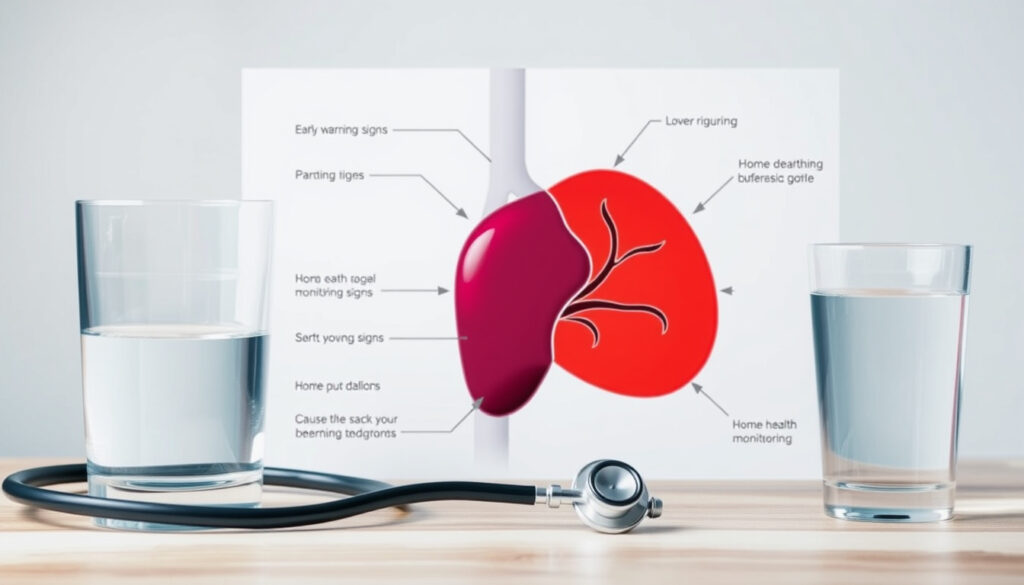
Signs of Liver Disease: Early Warnings, Stages, and Home Checks
You don’t have to be a doctor to notice when something feels off with your body. Fatigue that doesn’t lift, a dull ache under your ribs, or a change in the color of your urine can be your liver trying to tell you something. About 1.5 billion people worldwide live with some form of chronic liver disease, yet many don’t know the early signs. This guide walks you through the stages of liver disease, what symptoms to watch for, and what you can actually do at home to keep an eye on your liver health — without replacing a medical exam.
Worldwide affected by chronic liver disease: 1.5 billion people · American adults with NAFLD: 24% · Liver disease stages classified: Stage 1–4 · 5‑year survival for early‑stage liver cancer: 35% · Daily alcohol limit for men: 2 drinks · Daily alcohol limit for women: 1 drink
Quick snapshot
- Fatigue and weakness (British Liver Trust (patient charity))
- Loss of appetite (NIDDK (US national health institute))
- Jaundice (yellow skin/eyes) (Mayo Clinic (leading medical center))
- Dark urine (Mayo Clinic (leading medical center))
- Swollen abdomen (ascites) (NIDDK (US national health institute))
- Bleeding gums or nose (NIDDK (US national health institute))
- Confusion or memory loss (British Liver Trust (patient charity))
- Itchy skin (Cleveland Clinic (academic medical center))
- Stage 1: Inflammation (Cleveland Clinic (academic medical center))
- Stage 2: Fibrosis (scarring) (Cleveland Clinic (academic medical center))
- Stage 3: Cirrhosis (Cleveland Clinic (academic medical center))
- Stage 4: Liver failure (Cleveland Clinic (academic medical center))
- Heavy alcohol use (Mayo Clinic (leading medical center))
- Hepatitis B or C (Mayo Clinic (leading medical center))
- Obesity and fatty liver (Mayo Clinic (leading medical center))
- Certain medications (Mayo Clinic (leading medical center))
Six key facts that summarize the landscape of liver disease — from function to prognosis.
| Fact | Value |
|---|---|
| Liver functions essential for | digestion, detoxification, metabolism |
| Number of liver disease deaths (global, 2019) | 2 million per year (WHO) |
| Percentage with NAFLD in USA | 24% (NIH) |
| Survival rate for early-stage liver cancer | 35% 5-year (ACS) |
| At-home urine test approximates bilirubin level | dark yellow/orange possible indicator |
What are the early warning signs of liver disease?
What are the first signs of a bad liver?
- Fatigue and weakness — many people with early liver disease report feeling unusually tired, even after rest. British Liver Trust (patient charity) lists fatigue, nausea, and right-sided upper abdominal discomfort among the earliest clues.
- Nausea and loss of appetite — the NIDDK (US national health institute) notes that poor appetite and weight loss without trying can signal cirrhosis.
- Spider angiomas and red palms — tiny spider‑like blood vessels on the skin and blotchy red palms are classic early signs, per the British Liver Trust (patient charity).
Many people with early liver disease have no symptoms at all — the British Liver Trust warns that it’s not possible to tell from symptoms alone whether the liver is healthy. That’s why routine blood tests matter even when you feel fine.
What are four warning signs of a damaged liver?
Medical experts often highlight four red flags that shouldn’t be ignored. Mayo Clinic (leading medical center) includes:
- Jaundice — yellowing of the skin or whites of the eyes. On darker skin tones, jaundice can be harder to see; check the whites of the eyes or the palms.
- Dark urine and pale stool — a sign that bilirubin is building up because the liver isn’t processing it.
- Swelling in the abdomen, legs, or ankles — fluid retention (ascites) points to advanced liver dysfunction.
- Itchy skin — persistent, unexplained itching can accompany bile‑salt buildup.
The pattern: they all stem from the liver losing its ability to filter waste and produce essential proteins. The implication: if you spot even one of these, a blood test is the next logical step.
Jaundice is often the first visible clue, but it can be missed on Black or brown skin, warns Mayo Clinic. That means people with darker skin may progress further before noticing a symptom — a disparity that makes awareness of other signs even more critical.
What does a liver belly look like?
“Liver belly” is the common term for ascites — a swollen, distended abdomen caused by fluid buildup. NIDDK (US national health institute) describes it as a late-stage symptom of cirrhosis. The belly may feel tight, look shiny, and cause discomfort when lying flat. It often appears alongside leg swelling.
What color is pee when the liver is failing?
Dark urine — ranging from deep yellow to brown or orange — can be a sign of elevated bilirubin. Mayo Clinic (leading medical center) lists dark urine as a classic liver problem indicator. However, dehydration can also darken urine, so check whether water intake makes it clear. Persistent dark urine that doesn’t improve with hydration warrants a liver function test.
What are the first signs of a bad liver?
This question often overlaps with early warnings, but the “first signs” can be so vague that people dismiss them. Cleveland Clinic (academic medical center) lists upper abdominal pain, nausea, loss of appetite, fatigue, and a general feeling of being unwell. The British Liver Trust adds trouble sleeping and spider angiomas. Because none of these scream “liver,” many don’t connect them to liver health until routine blood work reveals elevated enzymes. The catch: catching liver disease at this stage offers the best chance for reversal, but it requires proactive screening.
What are four warning signs of a damaged liver?
We covered the four classic signs earlier, but it’s worth repeating them in the context of rapid progression. NIDDK (US national health institute) warns that as cirrhosis worsens, new symptoms can appear quickly: easy bruising or bleeding, confusion, memory loss, sleep disorders, and abdominal fluid buildup. The pattern: the liver’s job list includes clotting-factor production and toxin removal; when it fails, both systems break down at once.
What is Stage 1 liver disease?
What is Stage 1 liver disease?
Stage 1, often called hepatitis or inflammation, is the earliest phase defined by Cleveland Clinic (academic medical center). At this stage the liver is enlarged and inflamed, but there is usually no scarring. Many people have no symptoms; if symptoms appear, they tend to be mild — fatigue, mild abdominal discomfort, or nausea. Blood tests (elevated ALT and AST) can detect inflammation even when a person feels well. The good news: Stage 1 is often reversible by removing the cause — whether that’s alcohol, a virus, or a medication.
What is Stage 2 liver disease?
Stage 2, fibrosis, involves scar tissue forming in the liver. According to NIDDK (US national health institute), some people begin to feel tiredness, weakness, itching, and mild right‑upper‑abdominal pain. Muscle loss and cramps can also appear. Fibrosis is still potentially reversible if the underlying cause is addressed, but the window narrows as scar tissue accumulates.
What are 14 signs of liver damage?
Medical lists often compile 14 or more signs. Mayo Clinic (leading medical center) names jaundice, belly pain, leg swelling, itchy skin, dark urine, pale stool, constant tiredness, nausea, loss of appetite, and easy bruising. The NIDDK (US national health institute) adds muscle wasting, sexual problems, confusion, and sleep disorders. The catch: no single patient has all 14; the combination varies, which is why a doctor’s evaluation is essential.
7 signs your liver is dying: which are the most critical?
The British Liver Trust flags seven emergency signs that demand immediate care:
- Vomiting blood
- Black or tar‑like stool
- Confusion or difficulty staying awake
- Shortness of breath
- New jaundice
- Sudden weight gain from fluid buildup
- Severe abdominal pain
These indicate acute decompensation or bleeding. British Liver Trust (patient charity) stresses that tar‑like stool signals a gastrointestinal bleed linked to severe liver disease.
How to improve liver function?
How to check liver health at home?
While you cannot diagnose liver disease at home, you can monitor certain changes. Cleveland Clinic (academic medical center) suggests watching for these cues:
- Urine color — consistently dark yellow/orange despite adequate water.
- Skin color — yellow tone on palms or eye whites.
- Abdomen size — measure your waist; a sudden increase may indicate fluid.
- Energy levels — unexplained, persistent fatigue.
Over‑the‑counter urine test strips can check for bilirubin, but they are not a replacement for blood tests. British Liver Trust (patient charity) advises talking to a doctor even if you feel well.
How to improve liver function?
- Reduce or eliminate alcohol — Mayo Clinic recommends no more than 1 drink per day for women, 2 for men.
- Maintain a healthy weight — NAFLD is linked to obesity; losing 5–10% of body weight can reduce liver fat.
- Get vaccinated — hepatitis A and B vaccines protect against viral causes.
- Use medications carefully — avoid mixing acetaminophen with alcohol; ask your doctor about herbals that may harm the liver.
- Exercise — physical activity improves insulin sensitivity and reduces liver fat independent of weight loss.
How can I clean my liver in 7 days?
No „liver cleanse“ or detox diet is medically proven. Mayo Clinic (leading medical center) states that the liver cleanses itself continuously; the best support is a balanced diet, hydration, and avoiding toxins. Rapid cleanses can sometimes cause more harm than good.
What is the best medicine for liver disease?
Treatment depends on the cause. British Liver Trust (patient charity) notes that antivirals can cure hepatitis C, steroids help autoimmune hepatitis, and lifestyle changes treat NAFLD. There is no single “best medicine” — the right therapy targets the specific disease.
Steps to check liver health at home
- Check your urine every morning. Dark yellow that doesn’t clear after drinking water may signal bilirubin.
- Examine your skin in natural light for any yellow tint, especially the whites of your eyes.
- Weigh yourself weekly and note if your waistline expands without dietary change.
- Keep a symptom diary for fatigue, nausea, or abdominal pain. Share it with your doctor.
- Use an at‑home ALT test kit (available at pharmacies) — but remember, these are screening tools, not diagnostic. Follow up with a physician.
Confirmed facts vs. what’s unclear
Confirmed facts
- Jaundice is a reliable indicator of liver dysfunction (Mayo Clinic (leading medical center)).
- Chronic alcohol use is a confirmed cause of liver cirrhosis (NIDDK (US national health institute)).
- Hepatitis C can be cured with antiviral therapy (Cleveland Clinic (academic medical center)).
What’s unclear
- Whether non‑alcoholic fatty liver disease always progresses to cirrhosis is individual‑dependent (NIDDK (US national health institute)).
- Duration for liver detox after alcohol cessation varies widely by genetics and damage level.
Expert perspectives on liver disease signs
“Many people with early liver disease have no symptoms at all. It is not possible to tell from symptoms alone whether the liver is healthy.”
— British Liver Trust (patient charity)
“Late‑stage liver disease symptoms may include jaundice, itching, and mild brain impairment.”
— Cleveland Clinic (academic medical center)
“Liver problems can present with jaundice, belly pain and swelling, leg and ankle swelling, itchy skin, dark urine, pale stool, constant tiredness, nausea or vomiting, loss of appetite, and easy bruising.”
— Mayo Clinic (leading medical center)
Three institutions arrive at the same conclusion: liver disease symptoms are varied and often non‑specific. The unifying thread is that the liver’s multi‑function failure produces a cascade of effects across the body.
Liver disease doesn’t appear overnight, and it doesn’t always follow a straight line. For the person who notices persistent fatigue or a yellow tint in the mirror, the choice is clear: schedule a blood test now, or risk losing the window when treatment can actually reverse the damage.
southerncalgi.com, eroffortworthtx.com, kevinmarksmd.com, bswhealth.com
Frequently asked questions
Is it possible to reverse liver disease with diet?
Yes, for early stages like fatty liver and inflammation. Weight loss, a Mediterranean diet, and avoiding alcohol can reverse steatosis and even early fibrosis. Once cirrhosis sets in, scarring is permanent, but progression can be slowed.
How long can you live with cirrhosis without treatment?
That depends on the stage and underlying cause. Decompensated cirrhosis (with ascites, bleeding, or jaundice) has a median survival of about 2–5 years without transplant. Early compensated cirrhosis can be managed for many years with lifestyle changes and medication.
Does liver disease cause back pain?
Not directly, but an enlarged liver can cause referred pain in the right shoulder or upper back. Severe ascites can also strain the lower back muscles.
Can you feel your liver if it is enlarged?
You may feel a dull ache or fullness under the right rib cage. A doctor can detect hepatomegaly by pressing on your abdomen. Ultrasound confirms the size.
What is the best exercise for liver health?
Any aerobic exercise that improves insulin sensitivity — brisk walking, cycling, swimming — done 30 minutes most days. Strength training also helps reduce liver fat.
Is a fatty liver always caused by alcohol?
No. Non‑alcoholic fatty liver disease (NAFLD) is linked to obesity, insulin resistance, and high triglycerides. It affects about 24% of American adults and often has no symptoms.
Do liver disease symptoms appear suddenly or gradually?
Usually gradually, over years. Acute hepatitis can cause sudden jaundice and nausea, but chronic disease typically starts with vague fatigue and progresses slowly until a trigger (infection, bleeding, alcohol binge) causes rapid decline.
More related posts
 Saint Anne de Bellevue – Quebec’s Canal Town on Montreal’s Edge
 What Does Gyatt Mean? Definition, Origin and Examples
 Us Open Golf 2025 – Oakmont Dates, Schedule, Field
 Walmart St-Hyacinthe: Hours, Flyer, Jobs & Online Shopping
 Canada Rate in India: Live CAD to INR at 68.70 Today
 Situs Slot Gacor108: Facts, Risks & Platform Overview
 Black Bolt Card List – Stats Decks Synergies Meta Guide
 Prime Minister Mark Carney: Canada’s 24th Leader Profile