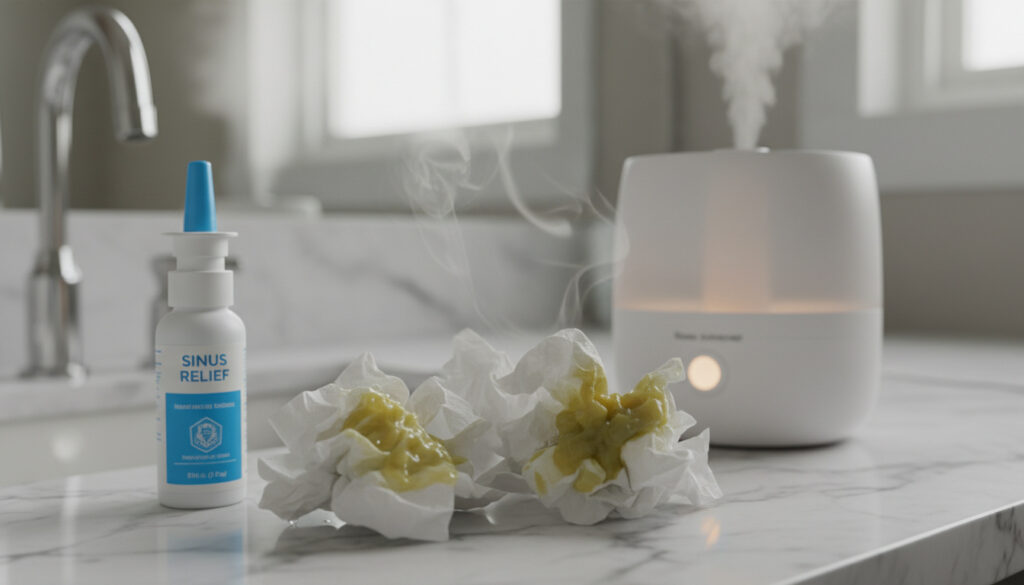
Symptoms of Sinus Infection – Key Signs vs Colds
Sinusitis occurs when one or more paranasal sinuses become inflamed, leading to fluid buildup that results in congestion, drainage, and facial pressure. The Centers for Disease Control and Prevention notes that most sinus infections begin as viral upper respiratory infections, commonly known as colds, with inflammation blocking the normal drainage passages and creating an environment where bacteria can multiply.
Acute sinusitis typically resolves within four weeks, while chronic cases persist beyond twelve weeks despite medical intervention. Understanding the specific symptoms helps distinguish between a routine cold, allergic rhinitis, and a true sinus infection requiring targeted treatment.
While many cases resolve without antibiotics, recognizing the progression of symptoms and associated warning signs ensures appropriate care and prevents rare but serious complications.
What Are the Common Symptoms of a Sinus Infection?
Sinusitis presents with a constellation of symptoms centered on facial discomfort and nasal dysfunction. Unlike simple nasal congestion, sinus infections typically involve pressure that localizes to specific facial regions.
| Symptom | Description | Duration | Severity Indicator |
|---|---|---|---|
| Facial pain/pressure | Intensifies around cheeks, forehead, nose, and eyes | Persistent throughout infection | Worsens when bending forward |
| Nasal congestion | Blocked nasal passages with difficulty breathing | 3-10 days acute; longer if chronic | Complete unilateral blockage |
| Postnasal drip | Mucus draining down throat causing cough or sore throat | Variable, often worse at night | Associated bad taste or breath |
| Headache | Pressure pain in frontal or maxillary regions | Continuous or recurrent | Increases with head movement |
Key Insights on Sinus Infection Presentation
- Approximately 80% of sinus infections originate from viral infections and resolve within 7-10 days without antibiotic intervention.
- Facial pain characteristically worsens when bending over or lying down due to pressure changes within the sinus cavities.
- Thick yellow or greenish nasal discharge often indicates bacterial involvement, though color alone does not confirm bacterial infection.
- Early allergic symptoms may mimic sinusitis, though allergies typically include itchy eyes and sneezing without facial pain.
- Decreased sense of smell or taste frequently accompanies sinus infections due to olfactory nerve inflammation.
- Pain may radiate to the upper teeth or ears due to shared nerve pathways between the maxillary sinuses and dental structures.
- Symptoms persisting beyond 10 days without improvement suggest bacterial sinusitis requiring medical evaluation.
Essential Facts About Sinus Infections
| Most common cause | Viral upper respiratory infection (common cold) |
| Annual incidence | Affects approximately 30 million Americans yearly |
| Acute duration | Less than 4 weeks from onset to resolution |
| Chronic criteria | Symptoms persist beyond 12 weeks despite treatment |
| Bacterial prevalence | Develops in only 5% of viral colds |
| Subacute classification | Symptoms lasting 4-12 weeks |
| Peak symptom timing | Days 4-7 of illness typically show maximum severity |
| Pediatric distinction | Children may present with restless sleep and dark under-eye circles |
Sinus Infection Symptoms vs. Cold: Key Differences
Differentiating between a common cold and sinusitis impacts treatment decisions significantly. While both conditions share nasal symptoms, the quality, location, and duration of discomfort provide crucial diagnostic clues.
How Colds Present
Common cold symptoms typically peak within the first few days and demonstrate steady improvement, resolving completely within 3-7 days. Patients usually experience stuffy or runny nose with initially clear mucus that may turn yellow or green after 3-4 days, accompanied by sneezing, coughing, sore throat, and watery eyes. Fever remains rare and typically appears only at the onset if present at all.
Distinguishing Sinus Infection Signs
The hallmark of sinusitis involves facial pain or pressure concentrated around the cheeks, forehead, nose, and eyes that intensifies when bending over. Unlike colds, sinus infections produce thick, purulent nasal discharge with potential postnasal drip causing bad breath or taste disturbances. Patients frequently report pain behind the eyes, toothache in the upper teeth, ear pressure, and significant decrease in smell or taste sensation. Mayo Clinic identifies these localized pressure symptoms as primary differentiators from viral upper respiratory infections.
Facial pain that worsens with head movement or pressure changes—such as when bending forward or lying down—strongly suggests sinus involvement rather than simple rhinitis. This mechanical sensitivity helps distinguish sinusitis from allergic or viral nasal congestion.
Identifying Allergies
Nasal allergies typically produce sneezing, itchy nose and eyes, congestion, and runny nose with postnasal drip, but generally lack the facial pain characteristic of sinus infections. Unlike infectious sinusitis, allergy symptoms persist seasonally or with specific trigger exposure and resolve with antihistamine treatment rather than following the infectious timeline of viral illnesses.
Viral vs. Bacterial Indicators
Most sinus infections begin as viral processes. According to American Academy of Allergy, Asthma & Immunology, bacterial sinus infections complicate only about 5% of colds. Suspect bacterial involvement when nasal discharge becomes thick like pus, thick secretions persist beyond 14 days without improvement, fever lasts more than 3 days or returns after resolution, or sinus pain increases after initial improvement.
How Long Do Sinus Infection Symptoms Last?
The temporal progression of sinusitis symptoms helps classify the condition and determine appropriate management strategies. Duration serves as a critical diagnostic criterion distinguishing acute, subacute, and chronic presentations.
Acute Phase Timeline
Acute sinusitis lasts less than four weeks, typically beginning as a cold with symptoms peaking around days 4-7. Cleveland Clinic notes that viral sinus symptoms often resolve within 1-10 days unless bacterial superinfection develops. Cold symptoms with purely viral infection generally persist up to 10-14 days before resolution.
When Symptoms Persist
Subacute sinusitis represents an intermediate stage lasting 4-12 weeks, while chronic sinusitis persists beyond 12 weeks despite medical treatment. In younger children, thick nasal discharge persisting over 14 days often suggests bacterial infection according to Seattle Children’s Hospital.
Chronic Patterns
Chronic cases involve persistent inflammation with symptoms that may wax and wane but never fully resolve. Bacterial causes predominate in chronic presentations, often requiring prolonged therapeutic approaches or surgical evaluation if medical management fails.
When to See a Doctor for Sinus Infection Symptoms
While many sinus infections resolve spontaneously, specific clinical scenarios warrant professional evaluation to prevent complications and ensure appropriate treatment.
Warning Signs in Adults
Contact a healthcare provider if symptoms last more than 10 days without improvement, or if high fever above 101°F persists beyond 3-4 days. CDC guidelines emphasize that worsening symptoms after initial improvement, severe facial pain or headache, facial swelling, vision changes, or pain around the eyes require prompt medical attention.
Seek immediate medical care for pain, swelling, or redness around the eyes, confusion, double vision or vision changes, or stiff neck. These symptoms may indicate serious infection spread requiring urgent intervention.
When bacterial sinusitis is diagnosed and antibiotics prescribed, symptoms should begin improving within 2-3 days, with nasal discharge clearing and cough diminishing. Continue the full antibiotic course even if symptoms improve to prevent recurrence.
Symptoms in Children
Children may present with additional symptoms including difficulty breathing through the nose, restless sleep, tiredness, and decreased sense of smell. Recurrent monthly or bimonthly infections in children likely indicate chronic sinusitis rather than repeated colds, according to Bel Air Pediatrics. Parents should monitor for swelling and dark circles around the eyes, particularly prominent in the morning.
Symptom Timeline for Sinus Infections
- Days 1-3: Onset phase begins with cold-like symptoms including nasal congestion, clear discharge, and mild sore throat. Viral replication peaks as sinuses begin inflaming. Source: HealthyChildren.org
- Days 4-7: Peak symptom intensity occurs. Facial pressure and pain become prominent, often worsening when bending forward. Discharge may thicken and change color. Source: Loyola Medicine
- Days 8-10: Viral cases should show improvement. Persistence or worsening at this stage suggests bacterial involvement requiring medical evaluation.
- Days 11-14: Without bacterial complication, symptoms should resolve. Continued thick discharge beyond 14 days, especially in children, indicates probable bacterial infection.
- Week 3-4: Subacute phase where symptoms linger but gradually improve. If no resolution occurs by week 4, chronic sinusitis criteria are met.
- Beyond 12 weeks: Chronic classification established. Symptoms persist despite treatment cycles, often requiring specialist referral or imaging studies.
Viral vs. Bacterial Sinus Infections: Certain Signs
Established Indicators
Viral Likely: Clear watery discharge, improvement within 7 days, absence of severe facial pain, symptoms beginning abruptly with cold exposure.
Bacterial Likely: Thick yellow-green purulent discharge persisting 10-14 days, high fever lasting 3-4 days, severe facial pain, “double-sickening” where symptoms worsen after initial improvement.
Unclear or Variable
Mucus color alone does not confirm bacterial infection, as viral cases may produce yellow-green discharge after day 3-4. Low-grade fever may occur in both viral and bacterial cases. The exact percentage of bacterial cases in adults with 10-day duration remains clinically variable, requiring individualized assessment.
Understanding Sinus Infection Symptoms in Context
Sinusitis represents inflammation of the paranasal air cavities located within the facial bones around the nasal cavity. When mucosal swelling obstructs the narrow drainage ostia, fluid accumulates creating pressure and providing medium for bacterial growth. This anatomical understanding explains why symptoms localize to the forehead (frontal sinuses), cheeks (maxillary sinuses), and between the eyes (ethmoid sinuses).
Risk factors include previous viral infections, allergic rhinitis, anatomical variations such as deviated septum, and environmental irritants. Seasonal patterns correlate with viral respiratory seasons, typically peaking during winter months when people spend more time indoors facilitating viral transmission. For convenient access to treatment options and over-the-counter remedies, local pharmacies provide essential services. Shoppers Drug Mart Grande Prairie – Locations Hours Services Guide offers information on accessing pharmaceutical care.
Accurate health information remains crucial when evaluating symptoms. When researching conditions online, ensure information sources come from verified medical institutions rather than unverified platforms. What Is a Phishing Link – How It Works and How to Stay Safe provides guidance on identifying trustworthy digital health resources.
Expert Sources and Medical Citations
“Sinusitis (sinus infection) occurs when one or more sinuses become inflamed, causing fluid buildup that leads to congestion and drainage.”
Centers for Disease Control and Prevention
“Key distinguishing features of sinusitis include facial pain/pressure and symptoms lasting longer than cold symptoms.”
Loyola Medicine
“Most sinus infections begin as viral infections (part of the common cold)… Bacterial sinus infections develop in only about 5% of colds.”
American Academy of Allergy, Asthma & Immunology
What to Do Next If You Suspect a Sinus Infection
Monitor symptom duration carefully, noting whether facial pressure improves or worsens between days 7-10. Initiate supportive care including saline nasal irrigation, adequate hydration, and rest. If symptoms persist beyond 10 days, worsen after initial improvement, or high fever develops, schedule a medical evaluation to assess for bacterial involvement. For recurrent infections or symptoms lasting beyond 12 weeks, request referral to an otolaryngologist for specialized imaging and potential surgical evaluation.
Frequently Asked Questions
What relieves symptoms of a sinus infection?
Home remedies include saline nasal irrigation, humidifier use, warm compresses applied to the face, adequate hydration, and over-the-counter decongestants used for limited duration. Rest allows the immune system to combat the infection effectively.
Can sinus infection symptoms come and go?
Yes, particularly in chronic sinusitis where symptoms may fluctuate in intensity but persist beyond 12 weeks. Some patients experience periods of relative clarity followed by acute exacerbations triggered by allergens, weather changes, or additional viral infections.
Are sinus infection symptoms worse at night?
Postnasal drip often increases when lying down, causing cough and throat irritation that disrupts sleep. Additionally, sinus pressure may feel more intense in the supine position due to fluid redistribution and gravitational effects on inflamed tissues.
Does sinus infection cause fever?
Low-grade fever may accompany both viral and bacterial sinus infections, though high fever above 101°F lasting more than 3-4 days specifically suggests bacterial involvement requiring medical evaluation.
Can you have sinus infection without congestion?
While uncommon, isolated facial pain or pressure without significant nasal congestion can occur, particularly in sphenoid or ethmoid sinusitis affecting deeper sinus cavities. Reduced sense of smell or isolated headache may predominate in these atypical presentations.
More related posts
 Marlins vs Blue Jays – Live Score, Odds and Predictions
 How to Fix DNS_PROBE_FINISHED_NXDOMAIN Error on Chrome
 Susie Wiles: Biography and White House Chief of Staff
 Timothy McVeigh: Verified Facts, Sources, and Questions
 Us Open Golf 2025 – Oakmont Dates, Schedule, Field
 Wingate by Wyndham Calgary Airport: Shuttle, Amenities & Reviews
 Is Pineapple Good for Dogs – Benefits, Risks and Safe Feeding Guide
 Musée des Beaux-Arts: Exhibitions, Hours & City Guides